
Leading with integrity:
ethical decision coaching
Ethical coaching and relational support to know more and do better.
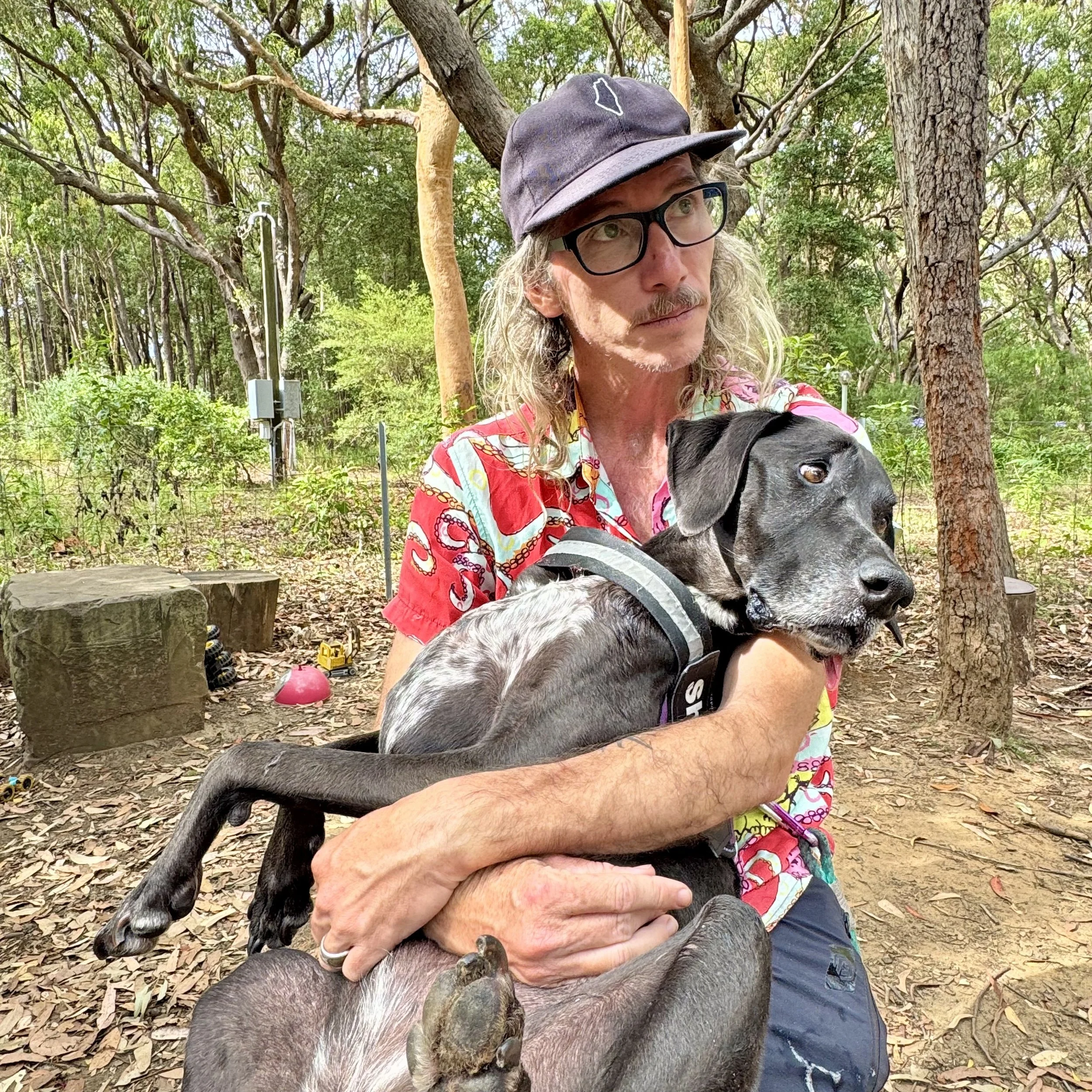
My name is Doug Cronin, one of the co-founders of Our Race and co-creator of the Transformational Ethical Story Telling (T.E.S.T.) framework. Over the last ten years I have faced many ethical dilemmas whilst working with people who try to walk the integrity systems change tightrope. Today, I would like to share this knowledge and experiences with people who want to lead with ethical integrity.
This is for those who practice the ethics of collective care, integrity and accountability.
What is leading with integrity?
Navigating Ethical
Dilemmas
Working with you to navigate ethical dilemmas by asking key questions and providing critical reflections.
Naming and addressing workplace harms
Holding a confidential space to rant, validate experiences and workshop ideas to address workplace challenges.
Embedding T.E.S.T. principles in practice
Co-creating a space to reflect on and embed Transformational Ethical Story Telling in your spheres of influence.
Ongoing ethical support
and coaching
Providing ongoing support for a current or upcoming project which requires an ethical storytelling and leadership lens.
Book a session
For the months of June and July I am going to test out a Pay What You Feel When You Choose with the shared commitment:
We commit to collective care, free, prior and ongoing informed consent, and a commitment to do better.
Suggested price
Unwaged: from $20
Students and low disposable incomes: from $30
Self-funded full time workers: from $70
Organisationally supported: from $150
Dates & times
Initial sessions will be one hour with the opportunity for longer sessions afterwards.
Days: Mondays and Tuesdays June and July 2026
Time: between 12pm and 5:30pm (AEST)
Contact me
Book a session via email doug@ourrace.com.au or click the button below.
-
I am offering my time and energy to those who believe there is value in what I can offer. I just ask for us to show collective care and a commitment to do better.
By the end of the time we spend together, whether it be an hour or over several weeks or months, we will hold each other accountable with care and integrity.
This is for those who connect universal human rights and dignity with the ethics of collective care, integrity and accountability.
-
Similar to the service offer this is a work in progress and may benefit people in different ways which I do not envisage but based on my previous informal experiences this could benefit:
People organising conferences who want to make more ethical, community grounded decisions
People invited to apply for funding which may raise ethical concerns
People trying to find the balance of engaging with politicians without providing them a platform for propaganda
People who work in harmful teams and/or organisations and are looking for alternatives
People who want to speak up, call out unethical, harmful practices within their workplace, place of study or elsewhere
People working on projects trying to find the balance between applying ethical storytelling and organisational objectives
-
This is not to provide you with a certification that says you are an ethical practitioner.
This is not to gather your stories for a research project or to benefit my research or practice.
My approach is from a human rights community care model which is imperfect and relational with a focus on calling in.
My aim is to support people in knowing more, saying no more to harmful relationships and ultimately doing better through the decisions we make.
The back to forward story
Ten years ago I took a big risk, leaving my first and only salaried position in my life, to start an anti-racism storytelling organisation and a PhD. From a position of naivety and ongoing (un)learning, my knowledge and practice has shifted in ways I could have never expected.
After leading workshops and training over the last ten years, I realised that on many occasions these can lead to tokenistic practices which makes the organisation look good, rather than do good. Others have applied parts of this work without the integrity required, at times taking the IP without consent.
When I reflect on the growth of ethical storytelling, I have a bittersweet feeling. On one side it is great as it should mean ethical practice becomes the norm. But on the other side, it raises the concern of how deep is this going? Is it just an add-on or is it acknowledged as ongoing systems change work?
I have seen people do better and have been fortunate enough to support people with making informed decisions, where they ultimately consider ethics as a key part in their decision making. I have found myself in a position as an unofficial coach to provide professional support to unpack ethical dilemmas. At times the advice I provide is not asked for, but potentially valued. This could be over a coffee, over a phone or video call, or at an event and in all circumstances it leads to critical conversations and learning for both of us.
This labour is something I want to continue to provide and am now offering this in a more formalised capacity as a niche service based on my ten years navigating my own ethical dilemmas and working with others to do the same.
I do not claim to have the answers but I do have some key questions and experiences which may help people who are facing ethical dilemmas whether that be in storytelling projects, partnerships, funding opportunities, navigating toxic workplaces or organising events.